
Introduction
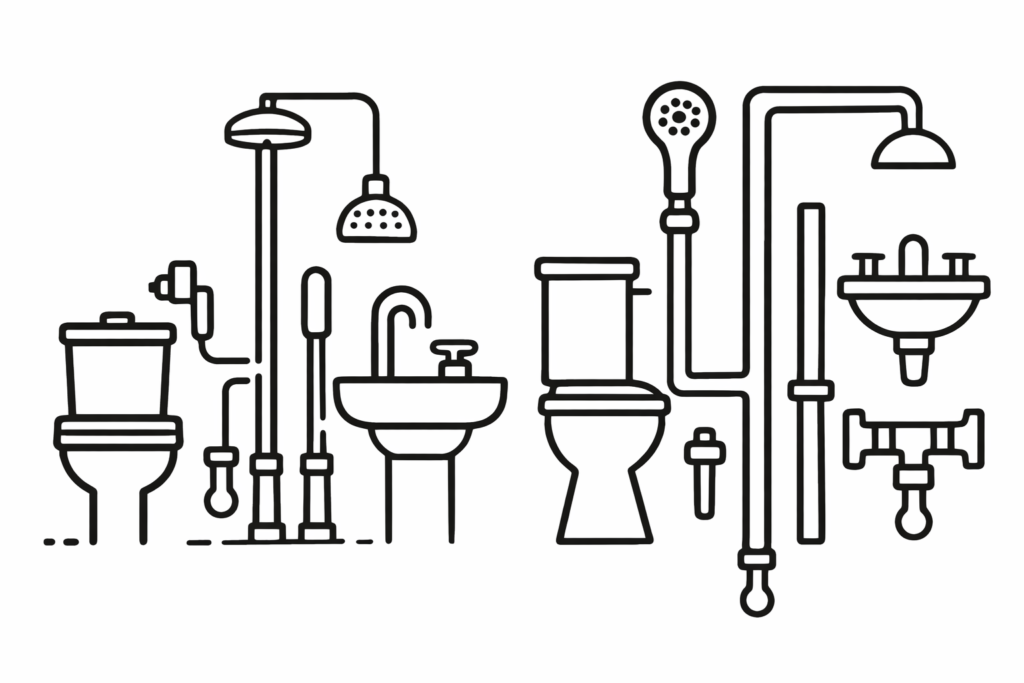
Bathroom plumbing systems are designed to deliver clean water to fixtures such as toilets, basins and showers while safely removing wastewater from the property. Although most of the pipework is hidden behind walls or beneath floors, the system itself follows a simple and reliable design used in homes across the UK.
Understanding how bathroom plumbing works helps explain why certain problems occur and why specific components inside the system occasionally need repair or replacement.
The Two Main Parts of a Bathroom Plumbing System
Bathroom plumbing is generally made up of two separate systems that work together.
The water supply system brings fresh water into the bathroom under pressure.
The drainage system removes wastewater and carries it safely away to the property’s main drainage.
These two systems operate independently but must work together correctly for the bathroom to function properly.
The Water Supply System
The water supply system delivers clean water to bathroom fixtures. Water typically enters the property through a mains supply pipe and is then distributed throughout the home using a network of smaller pipes.
In a bathroom, this supply feeds several fixtures including:
- toilets
- wash basins
- showers
- baths
Each fixture usually has an isolation valve or service valve that allows the water supply to be turned off locally when maintenance or repairs are required.
Water pressure is important for this system. If pressure drops, fixtures such as showers or toilet cisterns may not operate correctly.
The Drainage System
Once water has been used, it needs to leave the property quickly and safely. This is the role of the drainage system.
Unlike the supply system, which relies on pressure, drainage pipes rely on gravity to move wastewater through the pipework and into the property’s main soil pipe.
Typical bathroom drainage points include:
- basin waste pipes
- shower and bath traps
- toilet outlets connected to the soil pipe
The pipework is designed with a slight fall so that water flows naturally toward the drainage system without pooling inside the pipes.
Traps and Ventilation
Most bathroom fixtures include a trap, which is the curved section of pipe located beneath sinks, baths or showers. The trap holds a small amount of water that prevents unpleasant smells from the drainage system entering the bathroom.
Bathrooms also rely on ventilation within the drainage system. Soil pipes and vent stacks allow air to move through the system, which helps wastewater flow smoothly and prevents pressure problems within the pipework.
Common Components Found in Bathroom Plumbing
A typical bathroom plumbing system includes several important components:
- supply pipes carrying clean water
- isolation valves controlling water flow
- toilet cistern mechanisms and valves
- waste pipes and traps
- soil pipes connected to the main drainage system
Each part has a specific job and must work correctly for the system to operate efficiently.
Common Bathroom Plumbing Problems
Over time, components within the plumbing system may wear out or become blocked. Some of the most common issues include:
- leaking pipe joints
- worn toilet fill valves or flush valves
- reduced water pressure
- slow drainage from basins or showers
- blockages within waste pipes
Understanding the layout of the system can make it easier to identify where problems may be occurring.
Summary
Bathroom plumbing systems are designed to provide a reliable supply of clean water while safely removing wastewater from the property. By combining a pressurised water supply with gravity-fed drainage, the system allows everyday bathroom fixtures to operate smoothly and efficiently.
Although much of the pipework is hidden, the basic principles behind bathroom plumbing remain straightforward. Understanding these principles can help homeowners recognise common issues and understand how different components within the system work together.