
Introduction
A toilet that no longer flushes with the same strength it once had is a common problem in many homes. Weak flushing can lead to incomplete flushing, repeated flushes and frustration for homeowners.
In most cases, the problem is not the toilet itself but one of the components inside the cistern or bowl that controls how water is released during the flush.
Understanding how toilet flushing works makes it easier to identify the common causes of reduced flushing power.
How a Toilet Flush Works
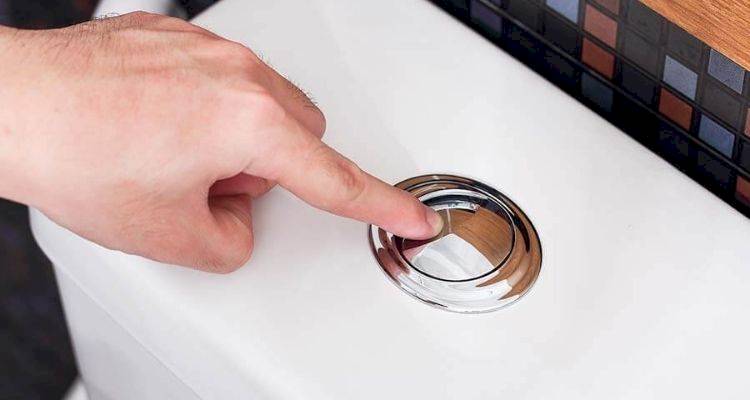
Most modern toilets rely on a cistern that stores water ready for flushing. When the flush button or handle is pressed, a flush valve opens and allows water to flow rapidly from the cistern into the toilet bowl.
This surge of water pushes waste through the toilet trap and into the drainage system.
Once the cistern empties, the flush valve closes and the fill valve refills the cistern so the toilet is ready for the next flush.
If any part of this process is restricted or not working correctly, flushing performance can become noticeably weaker.
Low Water Level in the Cistern
One of the most common causes of weak flushing is a low water level inside the cistern. If the cistern does not fill to the correct level, there may not be enough water released during a flush to properly clear the bowl.
This problem is often linked to:
- incorrectly adjusted fill valves
- partially blocked fill valves
- reduced water supply to the cistern
When the cistern does not contain enough water, the flush simply cannot generate the force needed to move waste through the system.
Worn or Faulty Flush Valves
The flush valve is responsible for releasing water from the cistern into the toilet bowl. Over time, this valve can wear out or become less responsive.
Common flush valve problems include:
- valves that do not open fully
- seals that have deteriorated
- push-button mechanisms that no longer lift the valve correctly
When the valve does not open properly, less water enters the bowl during the flush, reducing the overall flushing power.
Blocked Rim Holes
Around the inside rim of the toilet bowl are small holes that allow water to flow evenly around the bowl during a flush. Over time, these holes can become partially blocked by limescale or mineral deposits.
When these holes are restricted, water flow becomes uneven and the flushing action can weaken.
Cleaning the rim holes can sometimes restore normal flushing performance.
Partial Blockages in the Trap
Sometimes the issue is not inside the cistern at all but inside the toilet itself. The trap inside the toilet bowl is designed to guide waste into the drainage system.
If debris, paper or other materials begin to build up inside the trap, it can restrict the flow of water during a flush.
This restriction can reduce flushing efficiency and make the toilet appear weaker than normal.
Problems With Water Pressure
In some cases, the flushing problem may be linked to the water supply itself. If water pressure to the toilet is reduced, the cistern may take longer to fill or fail to reach the correct water level.
Possible causes include:
- partially closed isolation valves
- restrictions in supply pipes
- faults with the fill valve mechanism
These issues can all affect how well the cistern fills and therefore how effectively the toilet flushes.
Summary
Weak toilet flushing is usually caused by problems with the cistern components, restricted water flow or blockages within the toilet itself. Issues such as low water levels, worn flush valves and blocked rim holes are among the most common causes.
By understanding how the flushing system works, it becomes easier to identify why a toilet may be losing flushing power and which components may need attention.