
Introduction
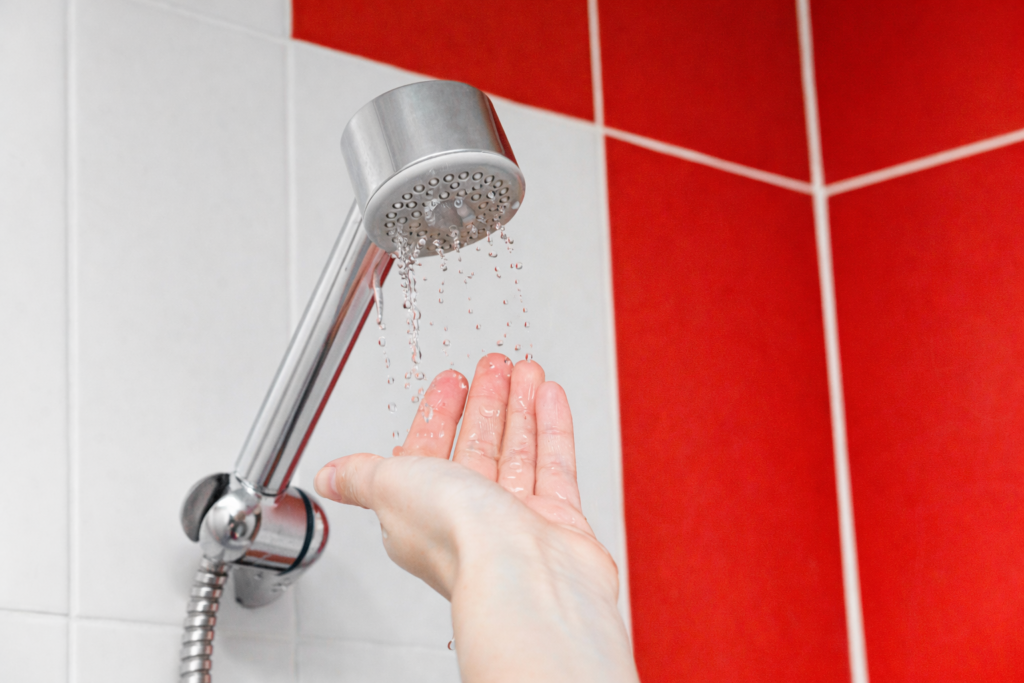
Low water pressure in a shower is a common problem in many homes. When a shower begins to lose pressure, the flow of water becomes weaker and the shower may no longer feel as comfortable or effective as it once did.
In most cases, the cause is linked to a restriction somewhere within the plumbing system or inside the shower components themselves. Understanding the common causes of low shower pressure can help identify where the problem may be coming from.
Blocked or Restricted Shower Heads
One of the most frequent causes of low shower pressure is a blocked shower head. Over time, mineral deposits and limescale can build up inside the small holes where water exits the shower head.
When these holes become partially blocked, the water flow becomes restricted and the pressure appears weaker.
Cleaning or replacing the shower head can often restore the normal flow of water.
Limescale in Shower Mixer Valves
In areas with hard water, limescale can gradually build up inside the internal components of a shower mixer valve. This buildup can restrict the movement of internal parts and reduce the flow of water through the valve.
When this happens, the shower may still work but the pressure can feel noticeably weaker than before.
Regular use and age can also cause internal cartridges inside the mixer valve to wear, which may affect water flow and temperature control.
Partially Closed Isolation Valves
Many showers have isolation valves installed on the supply pipes to allow water to be turned off during maintenance or repairs. If these valves are not fully open, they can restrict the flow of water entering the shower system.
This restriction can reduce the amount of water reaching the shower head, making the pressure feel lower than normal.
Sometimes these valves may be partially closed without the homeowner realising it.
Problems With Water Supply Pipes
In some cases, the issue may be related to the pipework supplying the shower. Pipes that are partially blocked or restricted can limit the amount of water reaching the mixer valve.
Older pipework, limescale buildup, or small obstructions within the plumbing system can all contribute to reduced water flow.
When supply pipes are restricted, the shower may struggle to maintain strong and consistent pressure.
Pressure Changes Elsewhere in the House
Water pressure can also change depending on how much water is being used elsewhere in the property. For example, if a washing machine, tap, or toilet is using water at the same time as the shower, the pressure available to the shower may drop temporarily.
In some plumbing systems this can cause the shower flow to weaken or fluctuate.
Summary
Low shower pressure can be caused by several different factors, ranging from blocked shower heads to restrictions within mixer valves or supply pipes. In many cases the problem develops gradually as components wear or limescale builds up over time.
Understanding the common causes of reduced shower pressure makes it easier to identify where the issue may be occurring and which parts of the plumbing system may need attention.